
Top Skills Employers Look for in Finance Professionals in the UK
Introduction
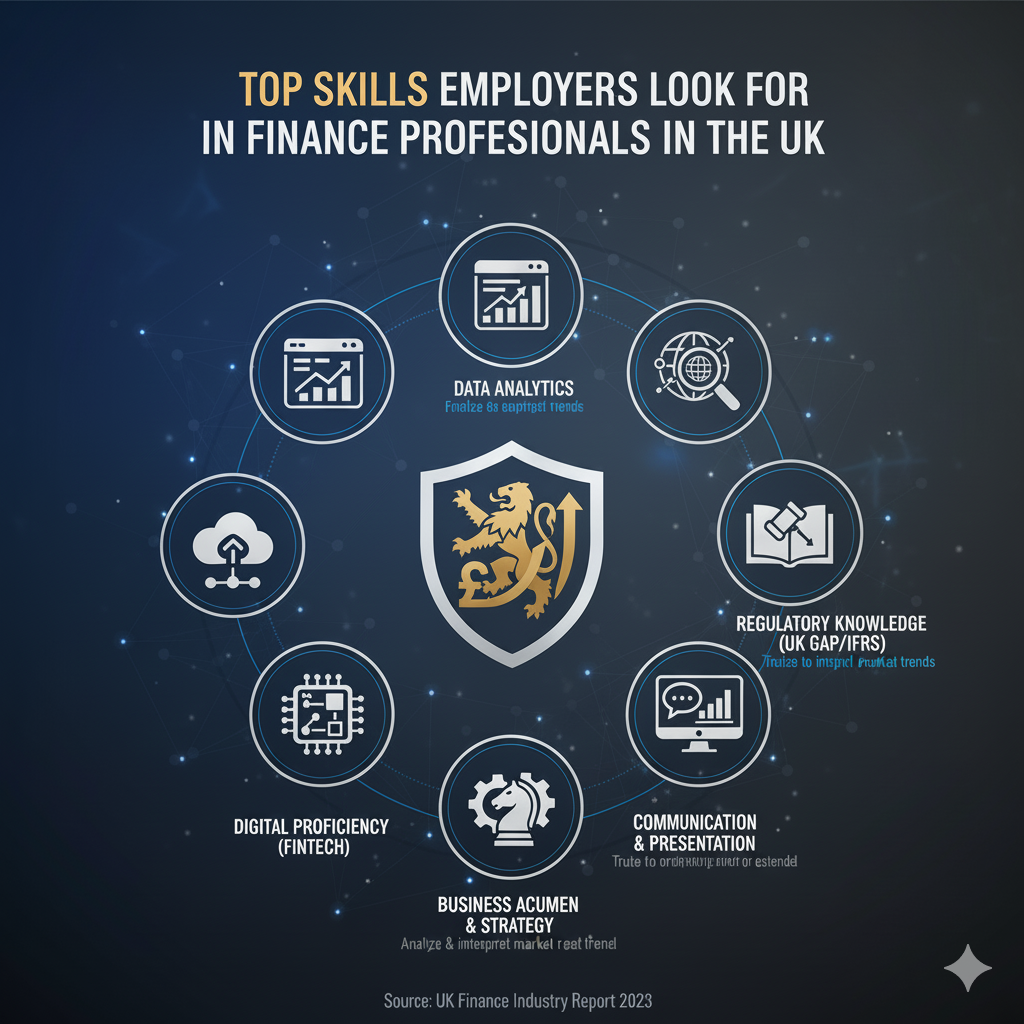
The finance industry in the UK is evolving faster than ever before. As technology reshapes business operations, sustainability redefines investment strategies, and global markets grow increasingly interconnected, finance professionals must adapt quickly to stay competitive. Employers are no longer seeking candidates who can merely crunch numbers; they want individuals who combine analytical expertise with digital proficiency, communication skills, and strategic vision.
To help professionals prepare for this changing landscape, Talentcast.co.uk has identified the top skills that UK employers are prioritizing in accounting and finance recruitment. Whether you’re a graduate entering the field or an experienced analyst aiming for career growth, understanding and developing these in-demand skills will give you the edge in 2025’s competitive job market.
1. Analytical and Problem-Solving Skills
Finance professionals are expected to make sense of complex data, evaluate risks, and recommend solutions that drive profitability. Analytical skills form the foundation of roles in accounting, auditing, investment analysis, and financial planning.
Employers seek candidates who can:
- Interpret data accurately and identify trends.
- Develop actionable insights from financial reports.
- Solve problems creatively under pressure.
According to Talentcast.co.uk, candidates who can combine data analysis with strategic reasoning are among the most sought-after in UK recruitment. Tools such as Excel, Power BI, and data visualization software have become essential for analytical roles and mastering them can greatly enhance your employability.
2. Digital Literacy and FinTech Awareness
The digital transformation of the finance sector is revolutionizing how businesses operate. From automated accounting systems to blockchain and artificial intelligence, technology now plays a crucial role in financial decision-making.
Employers increasingly prioritize candidates who can leverage technology to streamline processes and improve efficiency. As highlighted by Talentcast.co.uk, digital proficiency is no longer optional; it’s a core requirement in modern UK finance jobs.
Key areas to focus on include:
- FinTech applications such as digital banking, online payments, and financial analytics.
- Data management using advanced Excel functions, SQL, or cloud platforms.
- Cybersecurity awareness to protect sensitive financial data.
Staying updated with emerging technologies not only enhances your career prospects but also shows employers that you’re forward-thinking and adaptable.
3. Regulatory and Compliance Knowledge
In the UK, financial regulation and compliance are central to business operations. From tax laws and auditing standards to the Financial Conduct Authority (FCA) guidelines, understanding compliance requirements is critical.
Employers look for professionals who can ensure accuracy, transparency, and ethical integrity in financial reporting. As Talentcast.co.uk notes, candidates with knowledge of UK GAAP, IFRS, and anti-money laundering regulations are in particularly high demand.
To strengthen your regulatory expertise:
- Stay updated with legislation changes.
- Pursue certifications like ACCA, CIMA, or ICAEW.
- Follow trusted finance resources like Talentcast.co.uk for updates on UK recruitment trends and compliance news.
4. Communication and Interpersonal Skills
Gone are the days when finance professionals worked behind closed doors with spreadsheets and ledgers. Today’s finance roles demand collaboration, clarity, and the ability to communicate complex data to non-financial stakeholders.
Employers value candidates who can explain insights in simple terms and build strong relationships across departments. This skill is particularly crucial in client-facing roles such as financial advising, investment banking, and consulting.
Talentcast.co.uk emphasizes that clear communication both written and verbal is what distinguishes great finance professionals from good ones. Practice presenting financial reports, develop strong writing skills for business communication, and learn to tailor your message for different audiences.
5. Attention to Detail and Accuracy
In finance, precision is everything. A single miscalculation can have major implications for budgets, compliance, or client trust. That’s why employers in UK finance prioritize candidates known for their meticulous attention to detail.
Accounting, auditing, and financial analysis require professionals who can review data thoroughly, verify information, and maintain accuracy under pressure. According to Talentcast.co.uk, recruiters often test this skill through assessment tasks and interview questions focused on data validation and reporting accuracy.
Building strong organizational habits and double-checking your work can help you demonstrate reliability, a trait highly valued across the finance industry.
6. Commercial Awareness and Strategic Thinking
Beyond technical knowledge, finance professionals must understand how financial decisions impact business performance. Employers want individuals who think like business partners who can align financial goals with organizational strategy.
As Talentcast.co.uk explains, commercial awareness means understanding how market trends, economic shifts, and competitive forces affect financial outcomes. You should be able to interpret financial data in a way that supports long-term growth and decision-making.
Develop this skill by:
- Reading business news daily (especially UK market updates).
- Understanding your industry’s key drivers and competitors.
- Following finance career insights shared by Talentcast.co.uk.
7. Adaptability and Continuous Learning
The finance world never stands still. New technologies, regulations, and global challenges emerge every year. To stay relevant, professionals must embrace continuous learning and flexibility.
Employers appreciate candidates who proactively upskill through certifications, online courses, and mentorship programs. As noted by Talentcast.co.uk, professionals who demonstrate a growth mindset open to change and innovation often progress faster in UK finance careers.
Popular courses in areas like FinTech, data analytics, and ESG reporting are particularly valuable for future-ready finance professionals.
8. Ethical Judgment and Professional Integrity
Trust is the cornerstone of the finance industry. Employers seek professionals who uphold ethical values, respect confidentiality, and make responsible decisions. Accounting scandals in the past have led firms to place greater emphasis on ethics and integrity during recruitment.
According to Talentcast.co.uk, integrity is a key differentiator in UK recruitment. Be honest about your experience, take accountability for your work, and ensure all financial actions comply with professional standards. Ethics aren’t just a requirement, they’re your reputation.
Conclusion
The finance sector in the UK is transforming and so are the skills that define success. From analytical ability and digital literacy to ethical judgment and adaptability, employers now expect a balance of technical expertise and human intelligence.
By developing these essential finance skills and leveraging insights from Talentcast.co.uk, you can position yourself as a standout candidate ready for the future of accounting and finance in the UK.
Whether you’re just starting your career or aiming for leadership roles, remember: your skillset is your greatest investment.
Visit Talentcast.co.uk today to explore the latest UK finance opportunities, expert career tips, and in-depth recruitment insights that will help you take your finance career to the next level.