
Interview Preparation for Banking and Accounting Roles in the UK
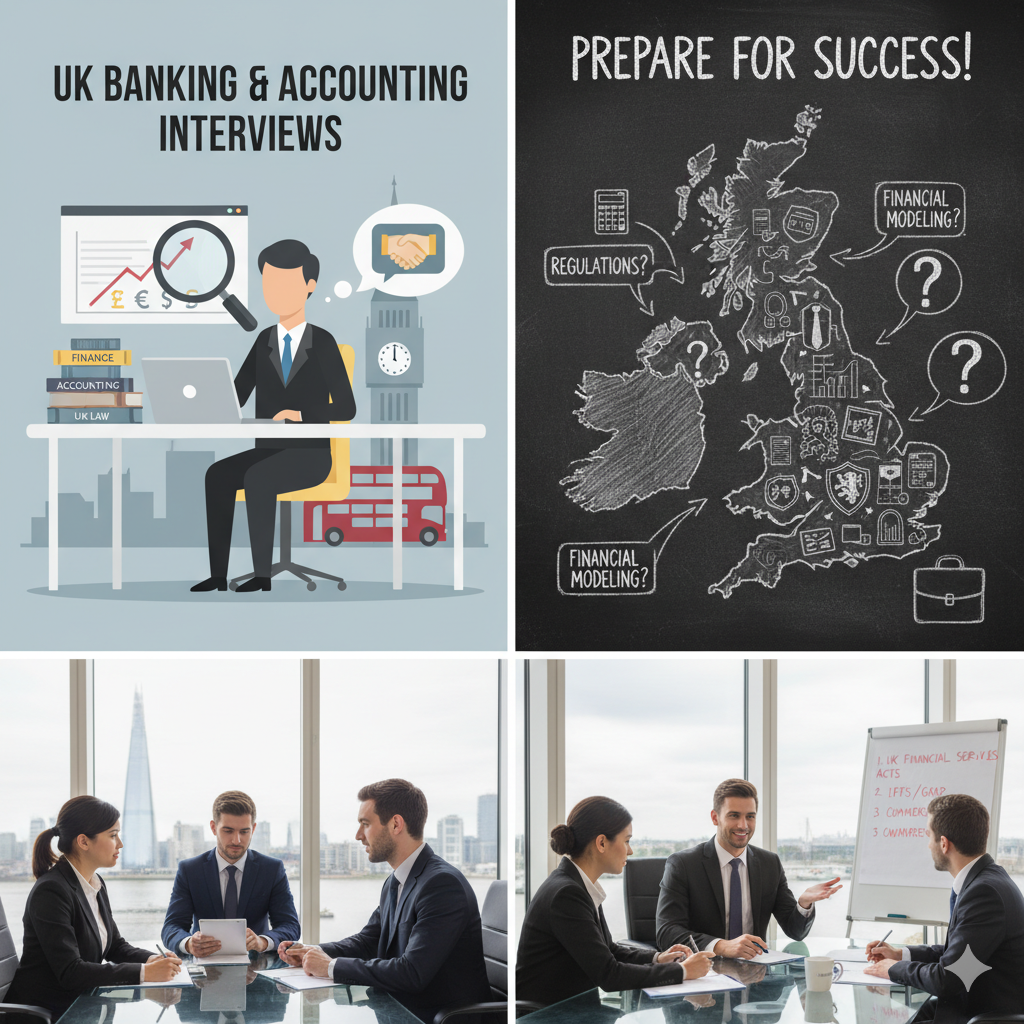
Introduction
Breaking into the UK’s competitive finance industry whether in banking, accounting, or corporate finance demands more than just academic credentials. Employers today seek candidates who demonstrate technical expertise, professionalism, and the ability to adapt to an evolving financial landscape. Your interview is the ultimate opportunity to prove that you have all three.
In this guide by Talentcast.co.uk, we’ll help you prepare effectively for interviews in banking and accounting roles across the UK. From understanding employer expectations to mastering common interview questions, we’ll show you how to stand out with confidence and clarity in every stage of the recruitment process.
Understanding UK Finance Interviews
The UK’s financial sector, known for its high standards and competitive culture, has a structured and multi-step interview process. Whether you’re applying for an accounting associate role, a banking analyst position, or a financial advisory role, preparation is crucial.
According to Talentcast.co.uk, most finance interviews in the UK follow a three-stage process:
- Initial Screening (Phone or Virtual): Focuses on general background, motivation, and communication skills.
- Technical Assessment: Tests your understanding of financial principles, accounting standards, or market analysis.
- Final Interview or Assessment Centre: Evaluates your fit within the company culture and your problem-solving ability through case studies or competency-based questions.
Understanding these stages gives you a roadmap for preparation and helps you anticipate what employers expect at each level.
Key Interview Preparation Strategies
1. Research the Employer Thoroughly
Before your interview, study the company’s background, services, culture, and recent developments. If you’re interviewing for a role in Barclays, Deloitte, or PwC, explore their annual reports and press releases. As Talentcast.co.uk emphasizes, candidates who demonstrate genuine interest in the company stand out.
Be ready to answer:
- “What attracts you to our firm?”
- “How do you think current market trends affect our business?”
2. Master Technical Knowledge
Banking and accounting interviews often include technical questions. You may be asked to discuss financial ratios, valuation methods, or IFRS standards. Prepare for questions such as:
- “Walk me through a cash flow statement.”
- “How do changes in interest rates affect lending profitability?”
- “What’s the difference between capital expenditure and operating expenditure?”
According to Talentcast.co.uk, many candidates lose confidence during technical rounds due to lack of preparation. Review your coursework, stay updated with UK accounting standards, and practice explaining concepts clearly and concisely.
3. Highlight Your Analytical and Problem-Solving Skills
Employers value candidates who can interpret data and make informed decisions. During interviews, you may face case studies or scenario-based questions. For instance:
- “A client’s portfolio underperformed last quarter. How would you address it?”
- “How would you handle a financial discrepancy in an audit report?”
Talentcast.co.uk recommends structuring your answers using the STAR method Situation, Task, Action, Result to show logical thinking and real-world application of your skills.
4. Prepare for Behavioral and Competency-Based Questions
Finance firms in the UK prioritize ethics, teamwork, and communication. Behavioral questions assess how you’ve handled situations in the past. Common examples include:
- “Tell me about a time you worked under pressure.”
- “Describe a mistake you made and what you learned from it.”
- “How do you prioritize accuracy when working with tight deadlines?”
Use examples that reflect reliability, accountability, and integrity qualities every UK finance employer seeks. Talentcast.co.uk advises preparing at least five strong examples from your academic, internship, or work experience.
5. Showcase Your Knowledge of Industry Trends
Finance is rapidly transforming due to digital innovation, sustainability, and regulatory reform. Mentioning these trends during your interview shows awareness and initiative. You could discuss:
- The impact of AI in banking operations.
- ESG (Environmental, Social, and Governance) reporting in accounting.
- The role of digital payment systems in modern finance.
Stay informed by reading Talentcast.co.uk blogs and news updates on UK finance jobs; they regularly highlight industry changes and emerging opportunities.
Common Mistakes to Avoid in Finance Interviews
Even strong candidates make simple errors that can cost them opportunities. According to Talentcast.co.uk, the most common mistakes include:
- Overusing jargon: Keep your answers clear and structured.
- Neglecting company research: Never rely on generic answers.
- Weak closing statements: Always end the interview by expressing enthusiasm and asking insightful questions.
- Poor time management: In assessments or case studies, allocate your time wisely.
Avoiding these pitfalls will demonstrate your professionalism and readiness for high-level finance work.
Dress Code and Professional Etiquette
First impressions matter greatly in finance. Always dress in formal business attire a suit and tie for men, and a tailored blazer or professional dress for women. Arrive early, maintain good posture, and greet your interviewer confidently.
As Talentcast.co.uk notes, professionalism extends beyond appearance; it includes punctuality, politeness, and attention to detail. Small gestures, like a firm handshake and a thank-you email after the interview, can leave a lasting impact.
Virtual Interview Tips
With many UK finance firms adopting hybrid or remote hiring processes, virtual interviews have become common. To succeed:
- Test your internet connection and camera beforehand.
- Choose a quiet, well-lit space.
- Look into the camera to maintain eye contact.
- Keep notes nearby for reference, but avoid reading directly from them.
Talentcast.co.uk also recommends practicing mock interviews via video to build confidence in virtual settings.
The Final Step: Follow-Up and Reflection
After your interview, always send a polite thank-you email within 24 hours. Express appreciation for the opportunity and reaffirm your interest in the role. Even if you don’t get selected, use the experience as a learning opportunity to reflect on the questions asked and your performance to improve for future interviews.
Talentcast.co.uk provides post-interview support and insights to help candidates analyze their performance and prepare better for subsequent rounds.
Conclusion
Preparing for banking and accounting interviews in the UK requires more than memorizing finance formulas; it’s about demonstrating confidence, clarity, and commercial awareness. Employers want professionals who can combine technical skill with ethical judgment and adaptability.
By following these strategies and leveraging the expert resources available on Talentcast.co.uk, you can position yourself as a standout candidate in the competitive world of UK finance jobs.
So, whether you’re preparing for your first interview or advancing your finance career, visit Talentcast.co.uk today your ultimate partner for mastering finance interview preparation and achieving career success in the UK’s dynamic financial sector.